P&P Custom
A custom product configuration platform built for personalized garments, visual editing and production-ready order flows.
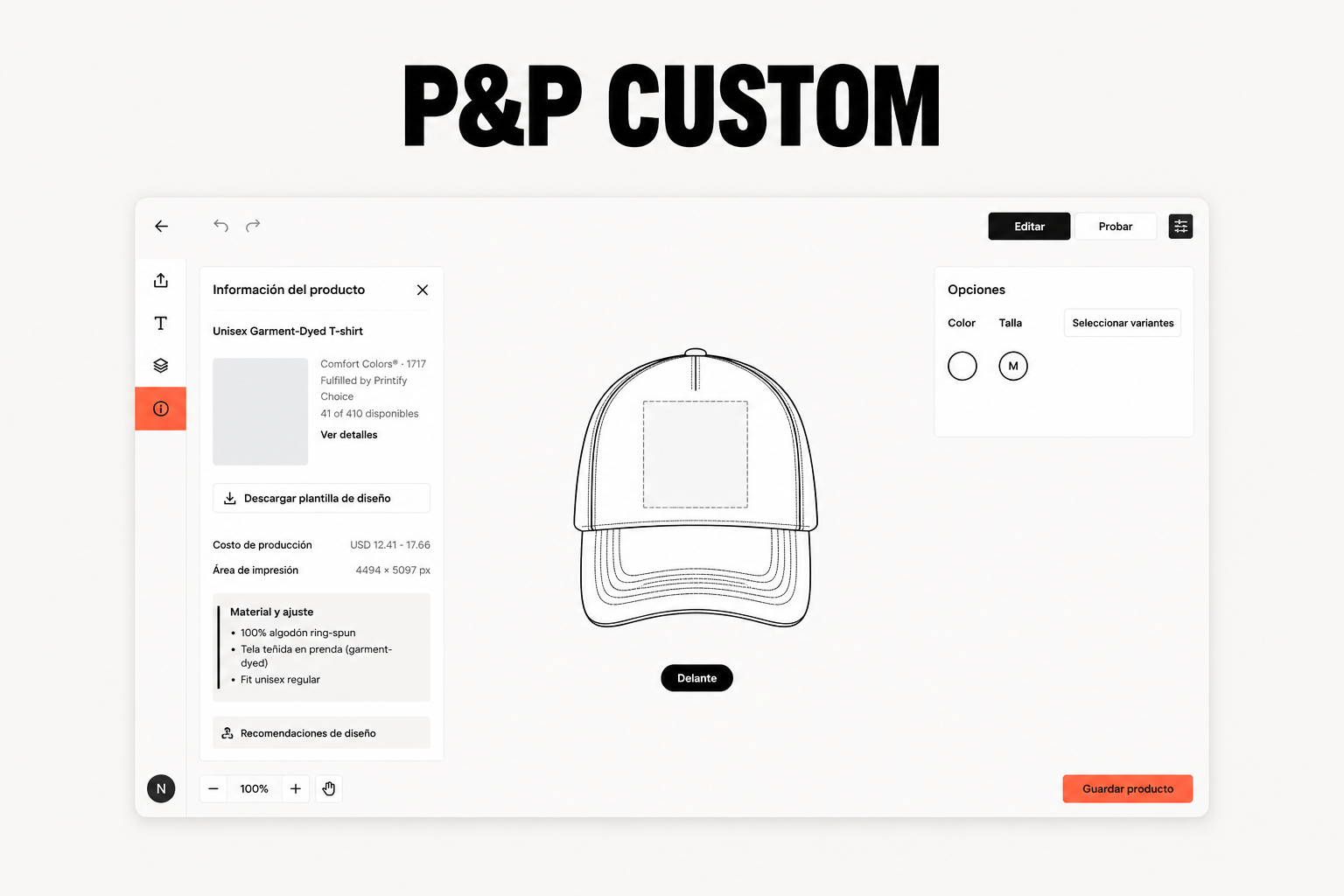
P&P Custom was built as a configurable product customization system for embroidered and printed goods.
Rather than focusing on a single product type, the platform was designed to support any item that could be printed or embroidered — from garments to branded merchandise — through a configurable product template system.
Each product was driven by its own configuration schema, allowing the platform to define editable surfaces, customization areas and product-specific rules without rebuilding the editor for every new item.
The goal was to replace a fragmented workflow where customers had to source products, design externally and coordinate production manually across multiple vendors.
P&P centralized that process into a single customization flow, with the long-term vision of turning product customization into a supplier-backed marketplace where customers could compare providers, customize products and route production from the same system.
Product editing,
built visually.
P&P was built around a simple product flow: select, customize, preview and prepare. The editor allowed users to personalize products directly in-browser with real-time visual feedback.
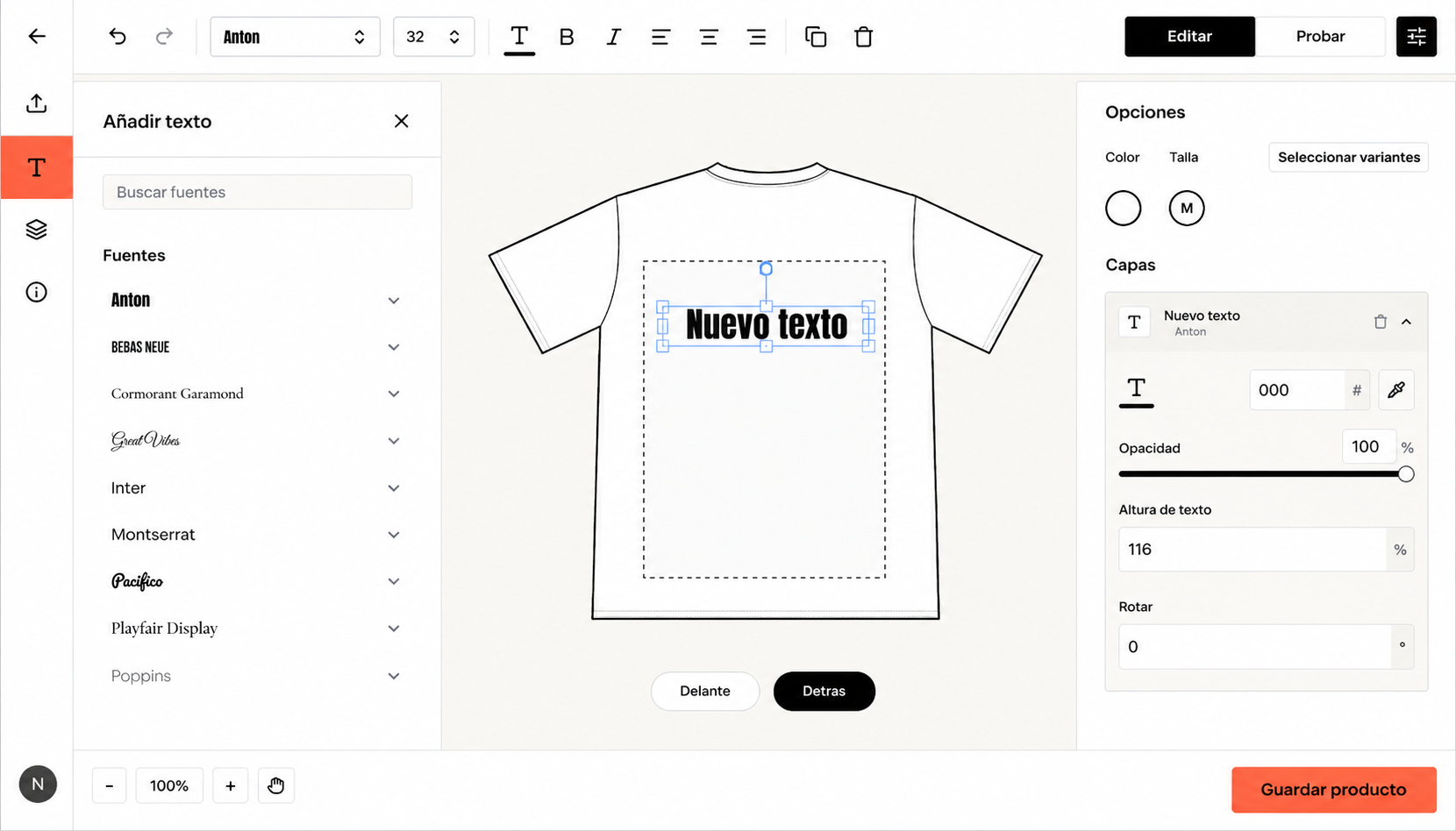
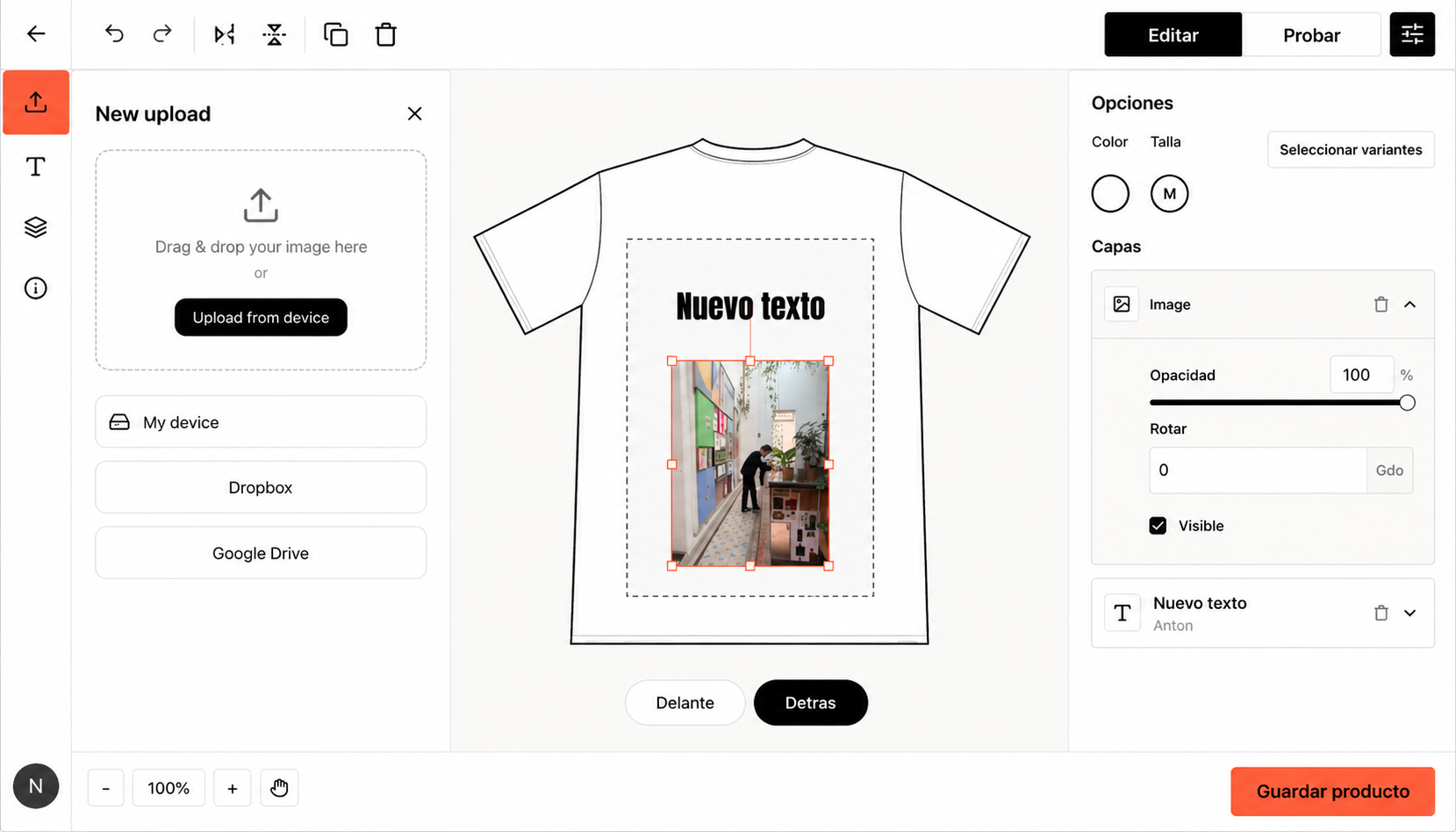
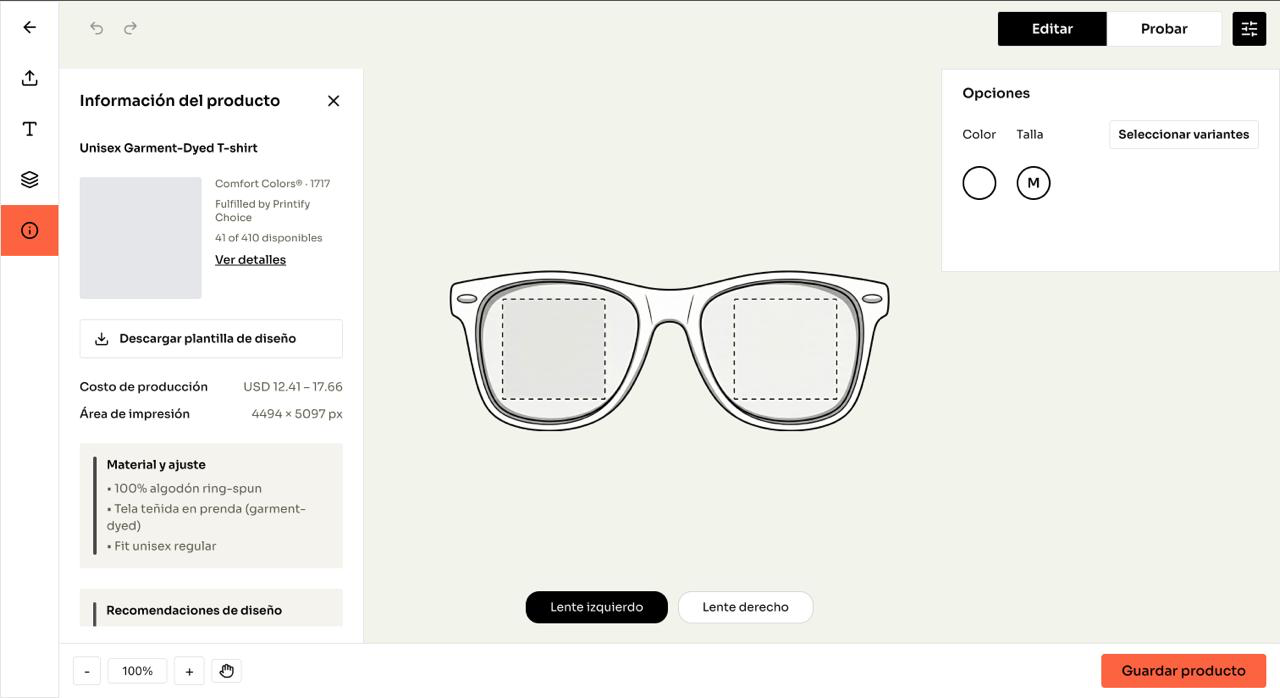
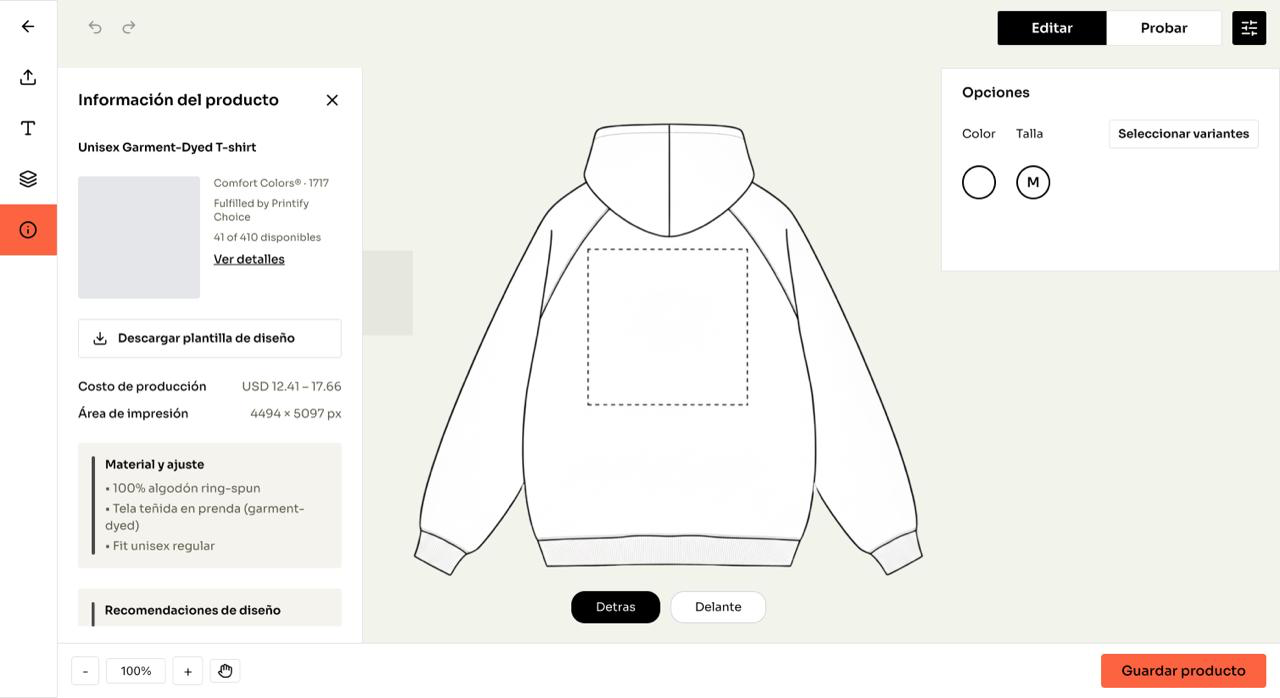
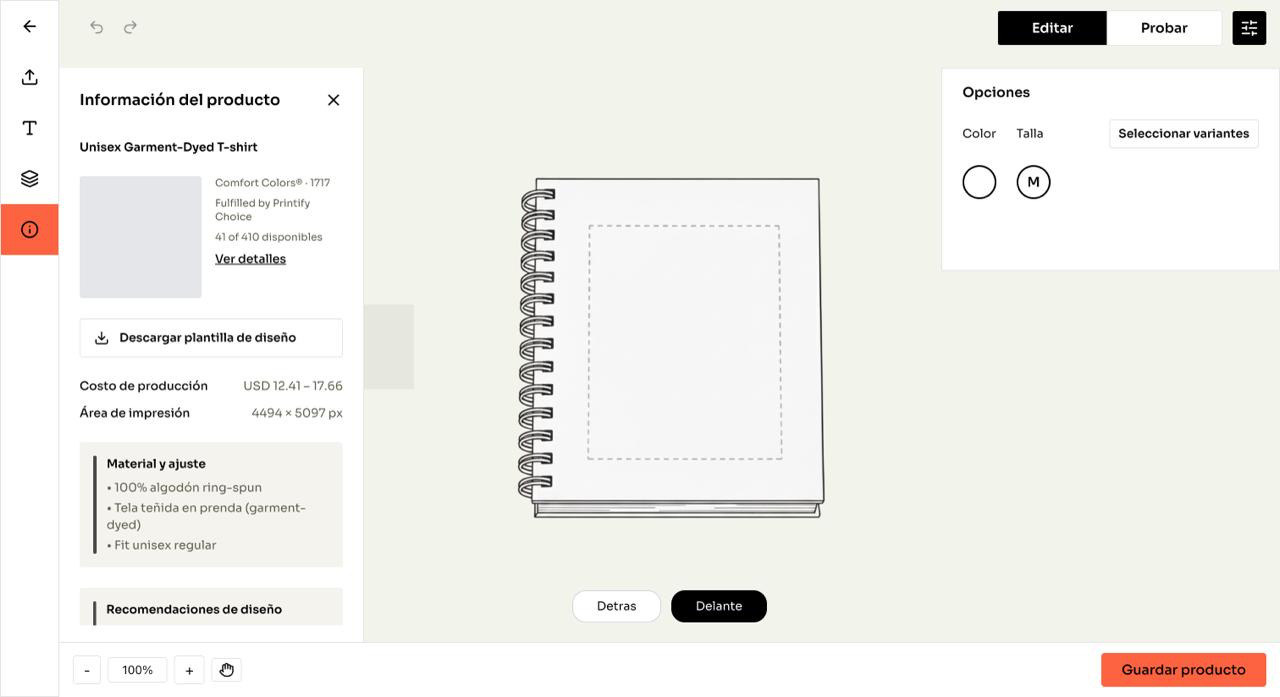
Real-time Editing
Users could edit text, colors, placement, scale, images, logos and typography directly on the product surface.
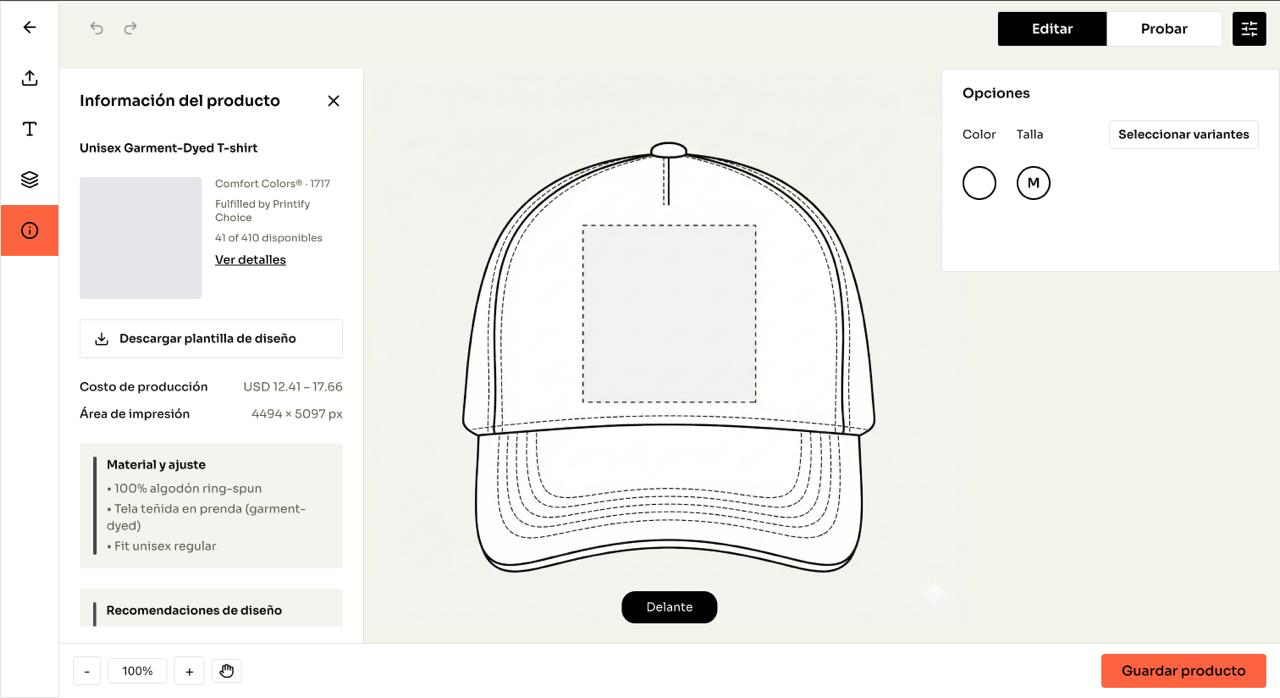
Configurable Products
Each product used a JSON configuration to define editable sides, allowed inputs and customization constraints.
Live Preview
The editor updated instantly, making the experience feel closer to designing the product than simply ordering it.
Production Handoff
The submitted customization was structured as an order payload with the rendered design, product context and customer details.
Built beyond
a single catalog.
P&P was designed to extend beyond customization into a supplier-backed marketplace model.
Rather than editing a single generic product, users were meant to browse products listed by different suppliers, compare options and choose the right base product before entering the customization flow.
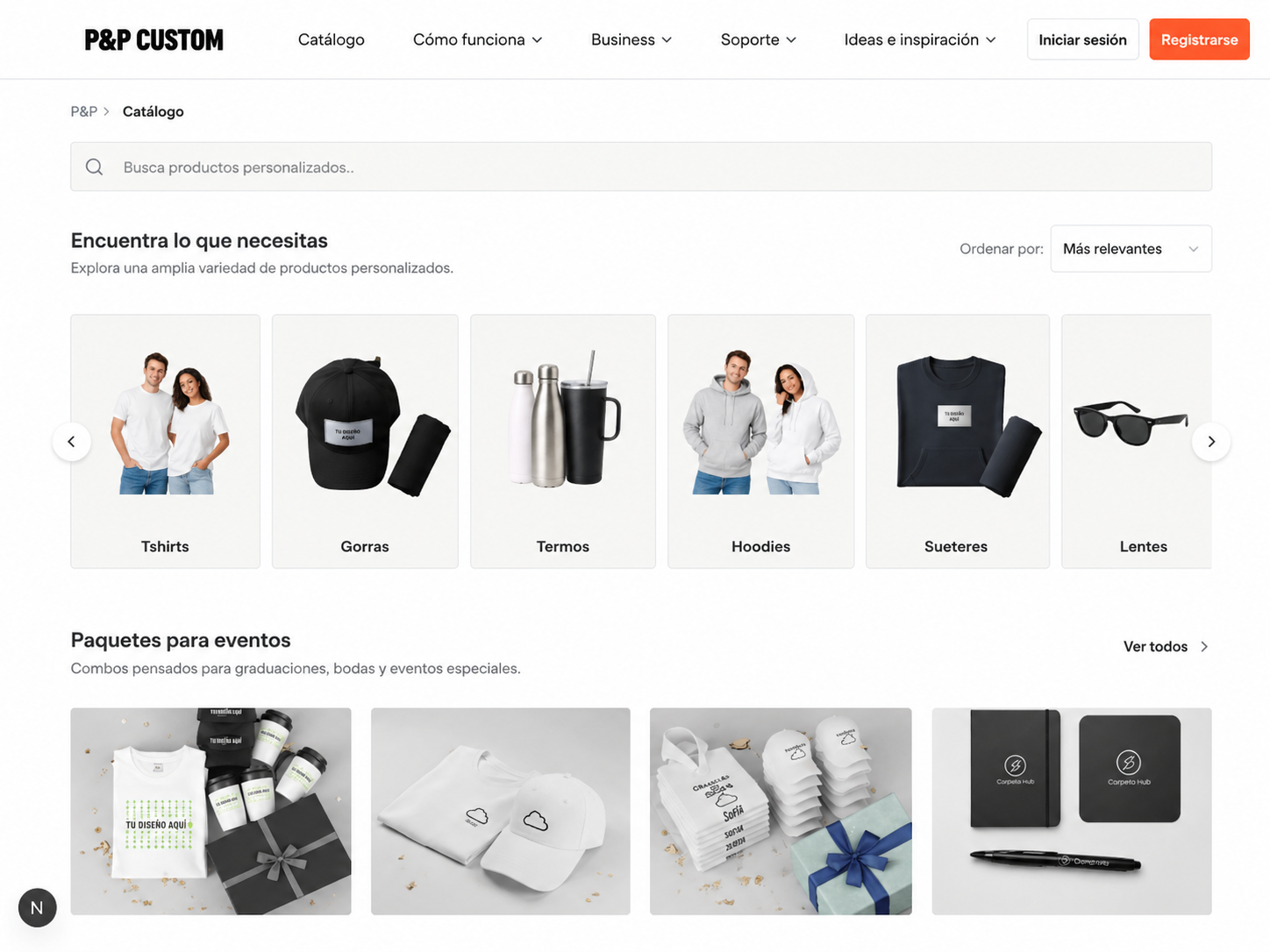
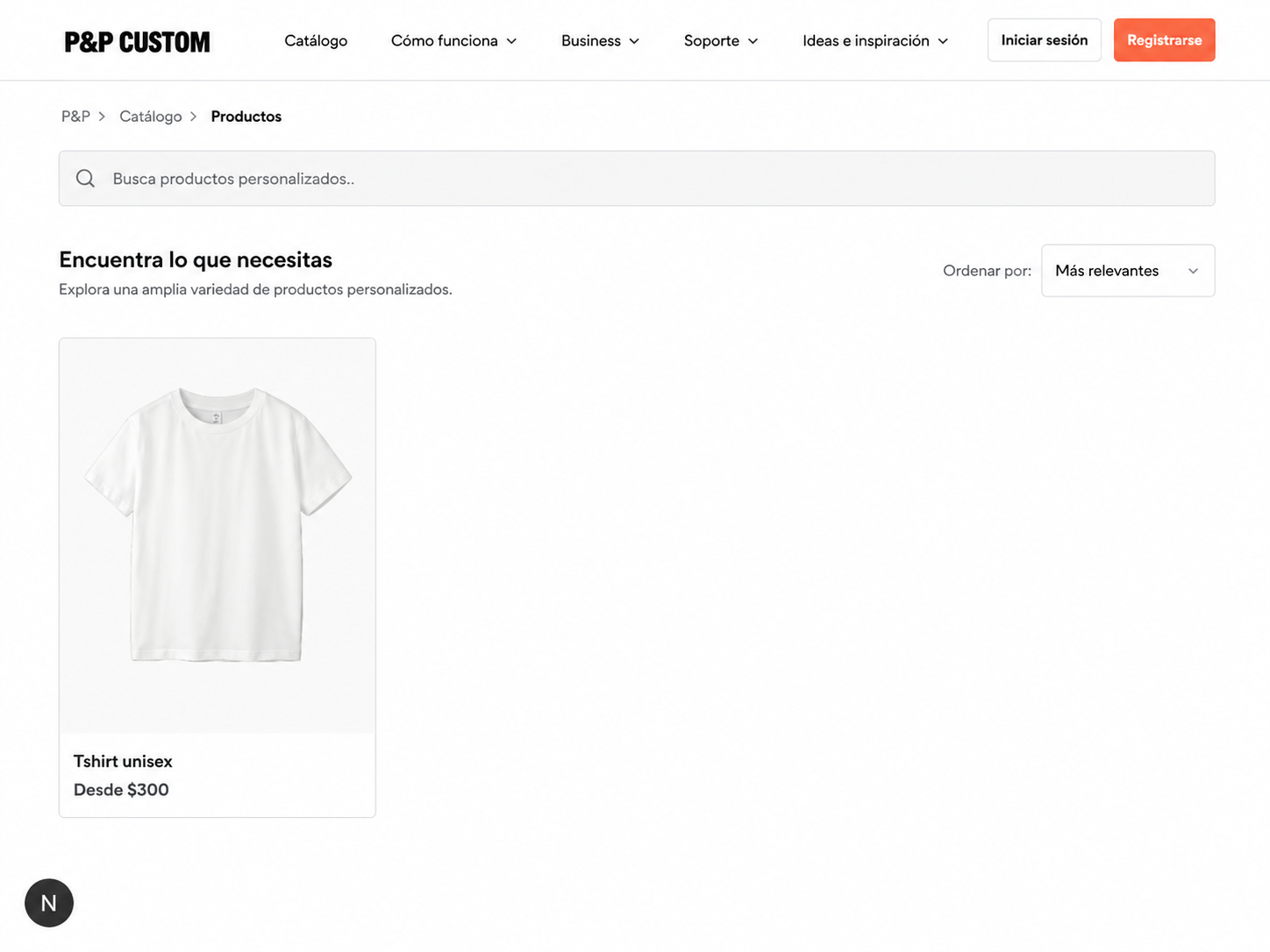
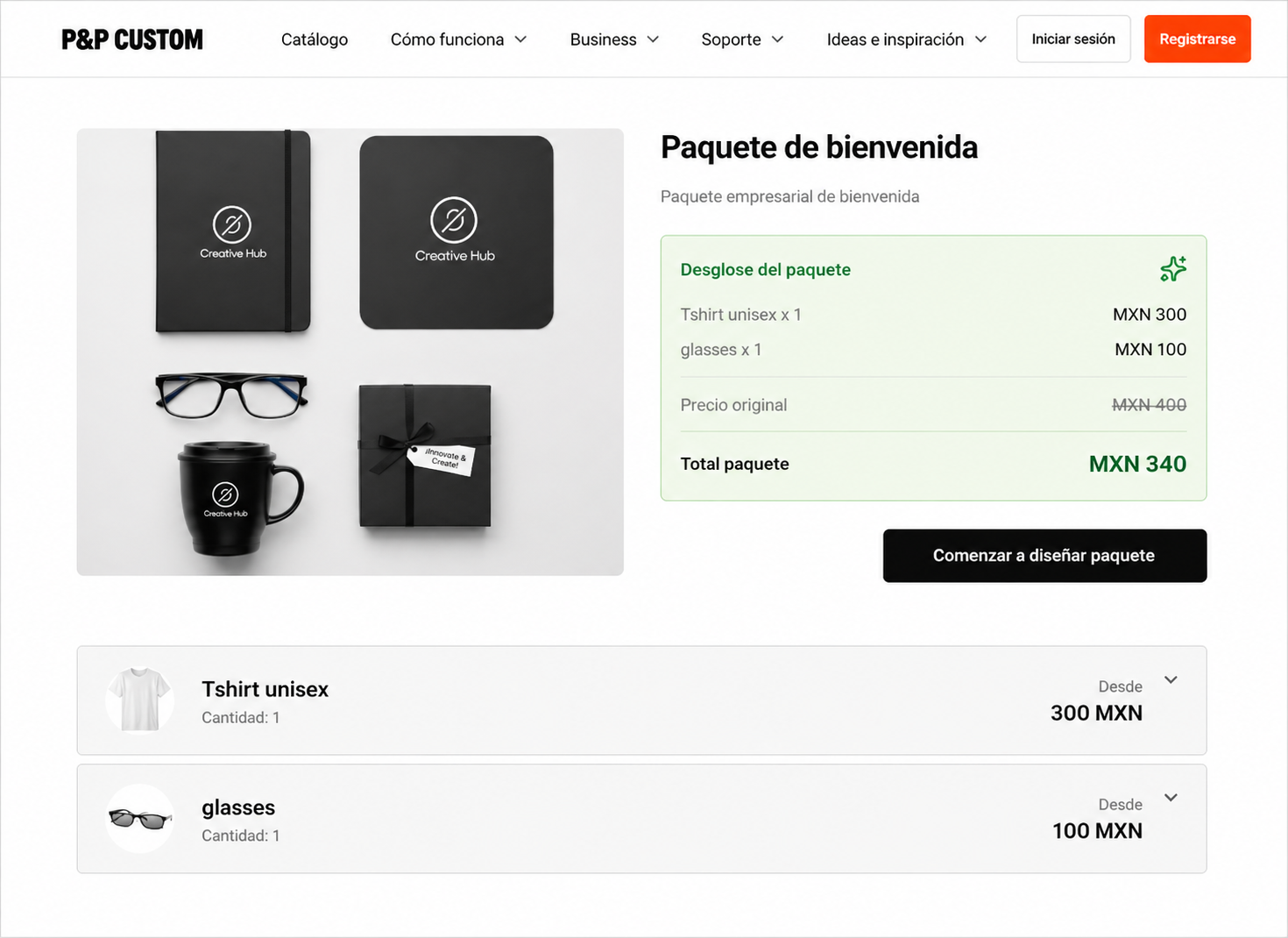
This shifted the platform from a simple editor into a configurable marketplace where multiple providers could offer similar products with different pricing, quality or production characteristics.
While supplier fulfillment was not fully implemented, the product direction was clear: providers would receive the final rendered design, order context and customer request as a production-ready handoff.
Built around
product logic.
P&P was built as a configurable editor engine rather than a fixed product storefront.
Stack
The platform used Next.js on the frontend, NestJS on the backend and PostgreSQL for storing products, configurations and customization state.
Visual Engine
At the core of the product was a visual editing engine powered by Fabric.js, handling text, images, transforms and real-time product composition through an interactive canvas layer.
Product Configuration
Each product was driven by a configuration schema that defined editable surfaces, positioning bounds, layer behavior and how many sides of the product could be customized.
Saved State
Customization state was stored as structured JSON, preserving layout data, transformations and product-specific rules rather than just a flattened image preview.
Once submitted, the backend stored both the selected product and its customization payload, allowing the same output to be reused later for previewing, editing or production handoff.
P&P validated that visual product customization creates a better buying experience and a much clearer path to production.
The project proved that allowing users to personalize products directly in-browser made the customization process faster, more intuitive and easier to understand for both customers and eventual suppliers.
The most valuable technical outcome was the product configuration system itself. Building the editor around reusable JSON schemas and configurable product templates made the customization engine flexible, reusable and adaptable across multiple product types.
For me, the project reinforced a broader point: most product constraints are design and systems problems before they are purely technical ones. P&P was a strong exercise in translating a complex visual workflow into something structured, usable and scalable.
The project remained as a functional MVP and is currently paused, but it validated the core product direction and remains a concept worth revisiting with a stronger marketplace layer in the future.